
7. Continuing in Education
Why this matters:
Parents, carers and families are hugely influential in determining the transition path for young people.
Showing pupils, the options that are available to all students, not just those in mainstream settings.
Statistics show that there are less students from an SEMH background in further and higher education than mainstream students.
What good looks like:
All students should understand the full range of learning opportunities that are available to them. This includes academic, vocational routes and learning in schools, colleges, universities and the workplace.
- By the age of 16, every pupil should have had a meaningful encounter with a provider of the full range of learning opportunities.
- By 18, all students who are considering applying for university should have had at least 2 visits to universities to meet staff and students.
School practice
- Meaningful encounters with providers of apprenticeships, work-based training facilitated both in school and through off-site visits.
- Careful early planning to support individuals’ specific needs.
- Students will be encouraged to explore the full range of routes available including their local colleges, apprenticeships, traineeships, vocational opportunities or higher education.
- Visits to two local universities (these can then fit into our school day as most pupils are transported to school and parents / carers struggle to collect students after school hours.
- Visits to all our local colleges, so that students can see the full scope of what courses are available.
- Support pupils with individual visits depending on specific courses that they want to attend
- Inform parents and carers of open evenings
- All teachers link curriculum learning with careers.
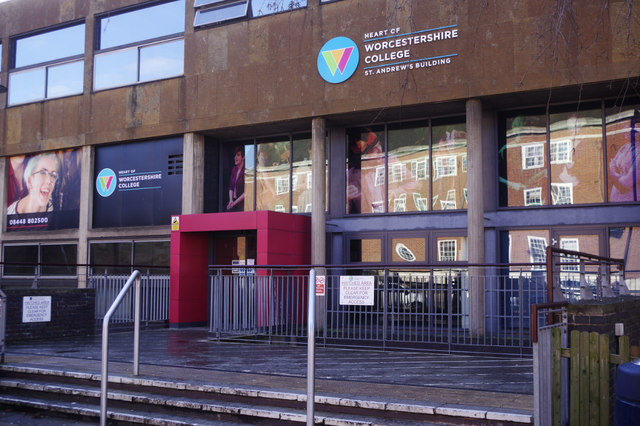
HOW College Worcester
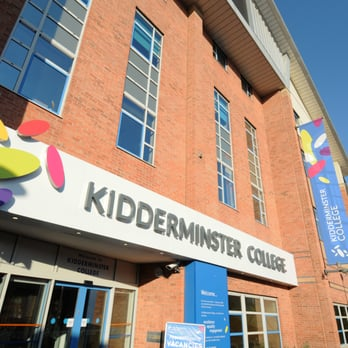
Kidderminster College
Pershore College

HOW College Redditch
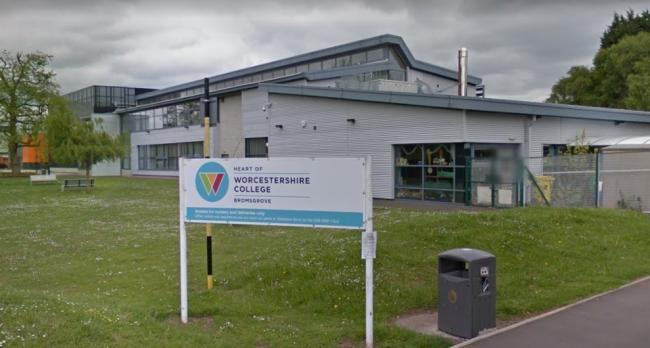
HOW College Bromsgrove
Nova Training
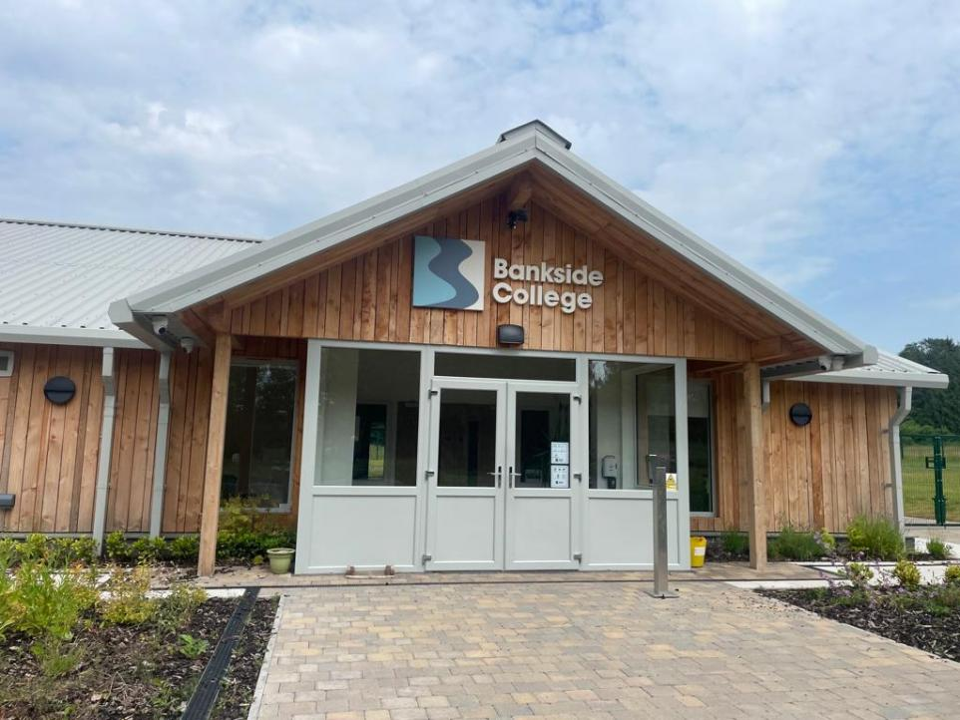
Bankside College

Mencap
Universities that we visit
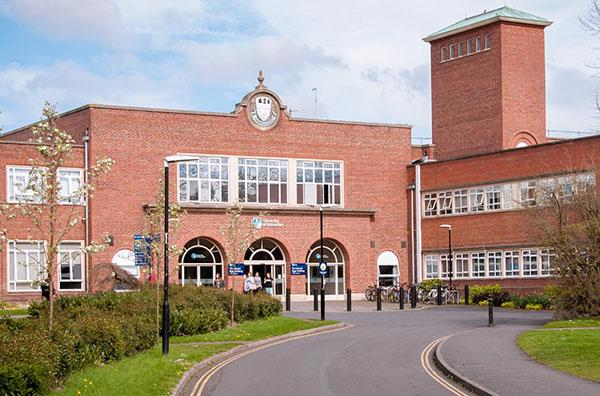
Worcester University
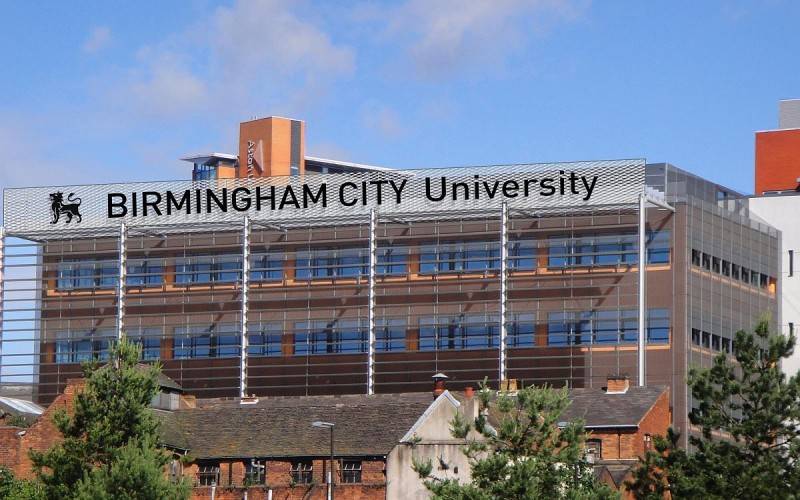
Birmingham University
We also complete virtual tours of a variety of universities so that we have an opportunity to see courses on offer and what grades are needed.
